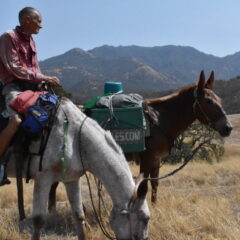
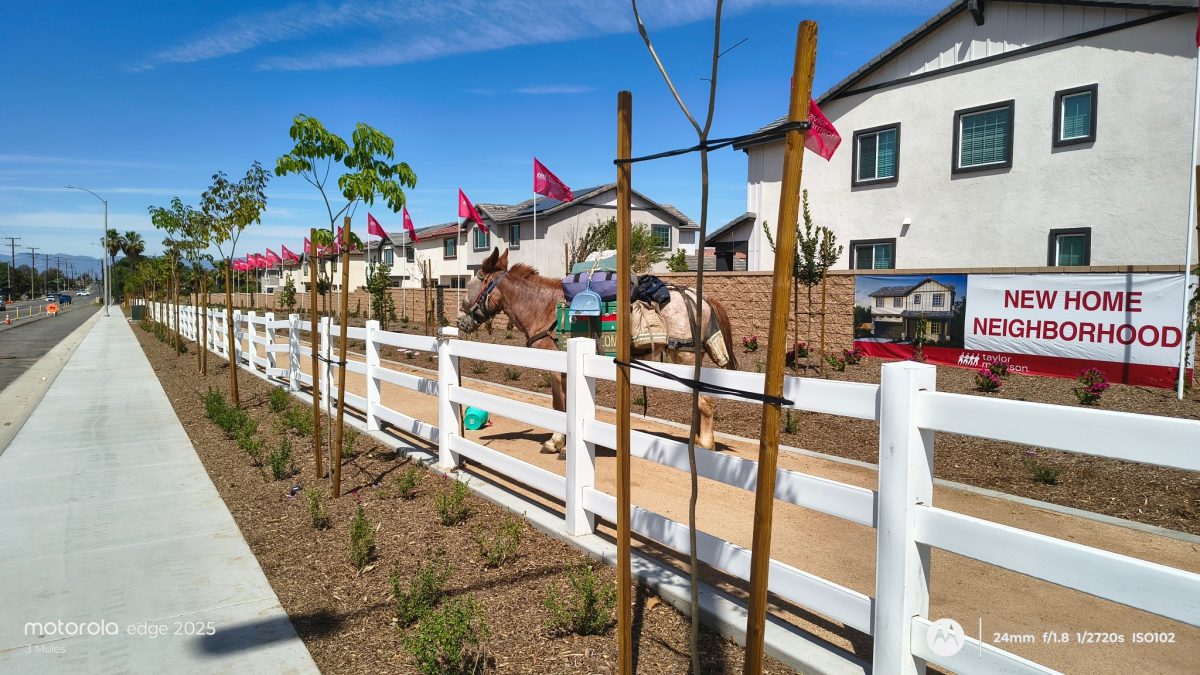
Some people want to live like this some people don’t but will and some people won’t. The won’t people and the Mules will need to be very creative. For the Megatropolis and it’s blueprint for the future does not include the won’t people. The 3 Mule Journey is making itself known as the spiritual platform by which the won’t people can work together peacefully and steadfastly to secure their place in the blueprint.
Tag: NomadicLife
Lentil Pancakes
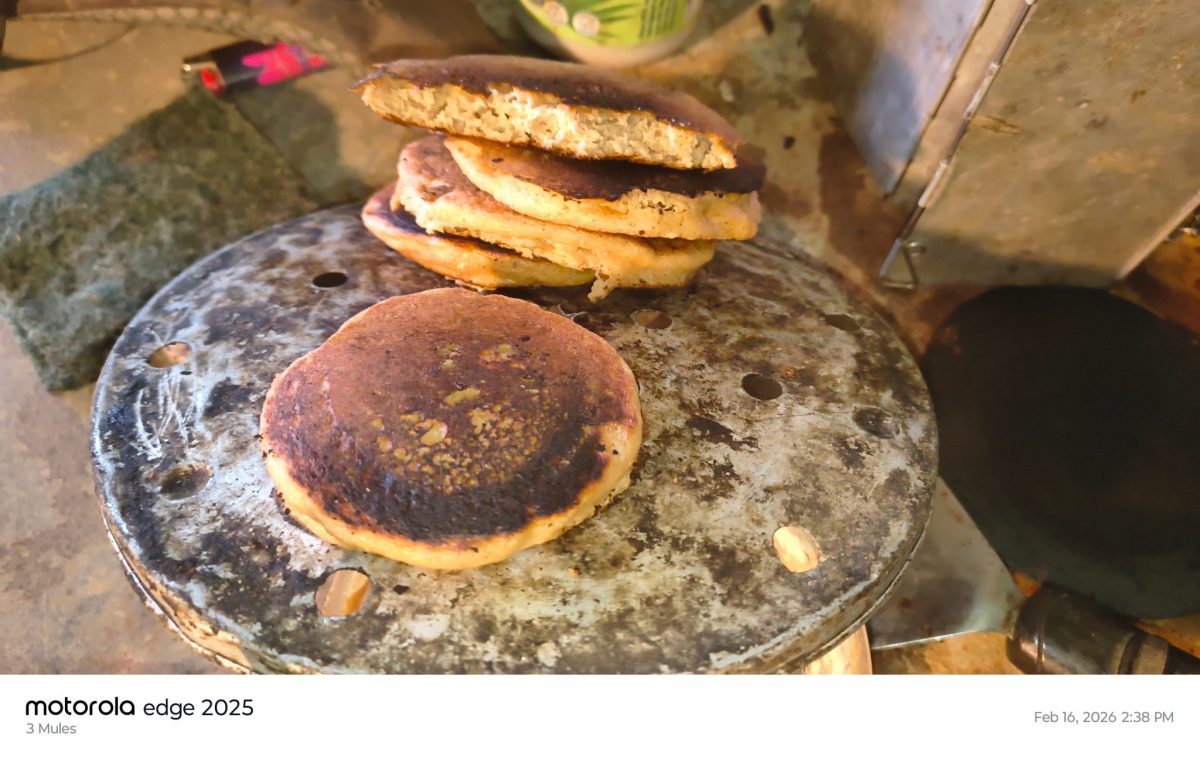
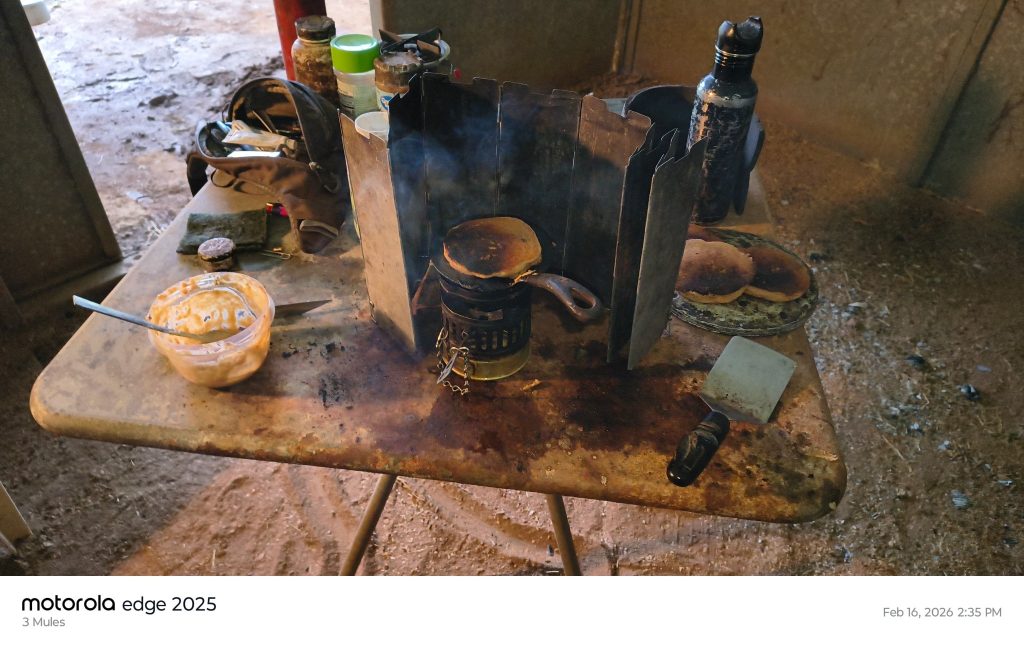
Just like the Mules are able to find themselves a place to stop for the night for less than a period of 24 hours. The Mule kitchen also finds itself a place to spring forward and do a little cooking for a period of less than 24 hours most often then not much less than 24 hours.
LENTIL PANCAKES
RED LENTILS
APPLE CIDER VINEGAR
OLIVE OIL
WALNUTS
2 EGGS
SEASONING OF CHOICE
BAKING POWDER
Soak lentils for 3 hours. Blend all ingredients until smooth. Add water to obtain desired thickness of batter. The mules like the batter somewhat thick.Then stur in baking powder
NOTE: Raw lentils taste terrible so that’s what the apple cider vinegar does it gets rid of that terrible raw lentil taste and most of the taste of the apple cider vinegar also goes away as it works to get rid of the raw lentil taste so when you’re done you got a real good base to add any kind of flavoring you so choose
Rain Cover

City of Ventura Police Encounter

No sooner had the Mules got into Ventura then we were approached by police officer informing us he had gotten a call that we were scaring the school children on the other side of the fence. And we couldn’t stop here for any amount of time because we were on private property. I said no we are on a public easement. He continued to insist we were on private property. A school teacher came over and informed the officer she had followed us for years and we were perfectly okay where we were. He decided to leave and did.

Do City/County Parks Need to Be Closed to a Lone Traveler?

Do City county parks need to be closed to a lone traveler? Moving under their own power and their own speed whether by bicycle walking carrying a backpack or walking with a pack animal. The mules say no. A person traveling alone entering a park after dusk when Park is closed with the sole purpose of pitching a small tent. Then staying the night then getting up in the morning and leaving to continue their journey is a threat to no one. Parks are meant to be used by people engaged in outside activity the three mule journey is certainly doing that. The mules can see no good common sense reason to prevent us or anybody else like us from resting for the night in a park.
The Mules have received a number of comments on this post on our 3 Mules Facebook page. There seems to be a concerted effort to identify us with a homeless encampment people living on sidewalks packed into a small area with no running water no sanitation because they can no longer afford decent housing. The mules live on the move travel alone. Never stay on public space for more than 24 hours most often than not less than 24 hours. We present none of the problems of a homeless encampment. Yet by reading these comments they’re all trying to infer that we do. Well the mules think it’s absolutely mystifying that we’re still walking through in and around this extremely dangerous megatropolis how we choose when we choose. For a weak cowardly little man and one mule it’s truly a spiritual endeavor. When the time comes for our eternal soul to leave the body that we are attached to we will have no regrets.
Kern County Animal Services Notification of Intent to Seize Animal
Our journey has been on pause in Kern County, California, as we rest and repair gear. As we wait, the Mules have been invited guests on private property of a long-time friend Lori Ann Wiley. On November 24, 2025, something unexpected happened that reminded us how fragile the right to live freely and traveling by horse can be.
The Visit from Animal Control
While I was on the driveway sorting through my pack gear, a Kern County Animal Control vehicle pulled up. Officer B. Tipton, Badge #46, approached me and asked if the mule belonged to me. I said yes. He explained that neighbors had called, concerned the mule had no shelter.

I was surprised. Rosie doesn’t need shelter—she’s fine. The officer insisted that Kern County law requires horses to have shelter from the elements. I’m thinking, we’re in clear sunny Bakersfield with mild temperatures. Rosie has grown her thick winter coat. I sleep outside in the same weather temperature as Rosie and I don’t have a fur coat.

Officer Tipton went back to his truck to write a citation. He exited his truck, walked onto the private property to post the citation on the front door, and told me I had two days to provide shelter for my mule Rosie, or she would be impounded.
The Notification
After he left, I took a photo of the yellow piece of paper from Kern County Animal Services.

NOTIFICATION OF INTENT TO SEIZE ANIMALActivity #25-110122 Date 11/24/25 Time: 12:28pm
Pursuant to Penal Code sections 597.1(a), 597.1(b), and 597.1(f), Kern County Animal Services intends to seize the animal(s) as described below on 11/26/25.
This animal will be seized because:
PC 597(b) and KC Ord 7.08.110(F)
Officer Tipton, Badge #46
The owner, person authorized to keep the animal, or agent must contact Kern County Animal Services within 2 business days of the notice date or all animals on the property will be seized.
The cost for care and treatment of the animal seized are the responsibility of the owner. No animal will be returned until all charges are paid. Failure to request or attend a scheduled hearing on all animals seized shall result in the liability for all charges and may result in the relinquishment of ownership.
He also posted a yellow paper titled NOTICE TO COMPLY paper that was checked “INADEQUATE/NO SHELTER” with written remarks.

Since the Mules had only two days to respond to the NOTIFICATION OF INTENT TO SEIZE ANIMAL, the Mules had to respond. Lori, savvy with the law, researched the matter and sent emails to Kern County Animal Services and the Kern County Board of Supervisors.
On Tuesday, November 26, 2025, the Mules walked 3.5 miles (about 2 hours) to Kern County Animal Services to deliver our response to their charge to Nick Cullen, the Director of Kern County Animal Services. We called in advance to notify them that we were going there. After waiting for about 15 minutes, Director Cullen finally came out and said that our issue had been abated and that our mule would not be seized. We requested this in writing and he gave us a document stating “Compliance Verified; Situation Abated.”
He pointed out on the document the Memo section on what the person was complaining about: “BARKING DOG/COMPLAINT FORM…REASON FOR COMPLAINT – MULE ABUSE/NEGLECT” and said it was in the “animal care ordinances.” As well, he provided the additional pages below on Animal Services Requirements with 7.08.110 F highlighted “All persons shall provide proper shelter and protection from the weather for all animals at all times.”
Kern County Animal Services Activity Card/Complaint

Kern County Animal Services Activity Card/Complaint
We said that it doesn’t apply to us since the ordinance applies to an animal that is sick or in extreme weather conditions. We also told him that before a complaint is acted upon, it should be investigated, and there was no investigation.
Director Cullen said, “To be honest with you, if you read that law, it’s vague. And, if you provide (shelter, they’ll still stand outside). We did abate it and you got proof of that.”
We then left Kern County Animal Services shortly after 4pm, and walked two hours back to where we are staying. Attending to this situation took up three days time and mental stress for myself and my host family. The Monk lost three days needed to work on our gear.
Challenging the ILLEGAL Citation
We had one day to contest and research the law as the threat to seize Rosie was in two days. [Note: The Mules thank Lori for her work in helping with the research, writing the letter in support of us, and accompanying the Mules in the visit to Kern County Animal Services.]
California Penal Code 597(b) is the primary statute used by law enforcement, including Kern County Animal Services, to address animal neglect and cruelty.

Kern County Ordinance 7.08.110(F) states: All persons shall provide proper shelter and protection from the weather for all animals at all times. This includes, but is not limited to, shade to protect animals from the direct rays of the sun and prevent overheating with care given to proportion of animal and positioning to provide maximum protection; flooring or platforms raised off the ground, of suitable size to accommodate the animal and allow for retention of body heat. When animals are housed outdoors when the mean temperature is forty-five (45) degrees Fahrenheit or below or is eighty (80) degrees Fahrenheit or above, animals shall be so acclimated.
“A Guide: Minimum Standards of Horse Care in the State of California (February 2023) by the University of California, Davis – School of Veterinary Medicine – Center for Equine Health (link), Shelter (pages 27-31):
“Shelter in the form of a structure should be available for horses in cases of prolonged extreme weather conditions (below freezing temperatures, excessively high temperatures and/or humidity, high winds, excessive rainfall), regardless of the horses’ age, breed or body condition. However, any horse that shows physical deterioration, loss of body condition or weight, or failure to adapt to the weather conditions (weight loss, lethargy, anorexia, wasting) must be provided with shelter adequate to stabilize their body condition without severe loss of weight, injury or illness.“
Shelter requirements apply to confined animals or those exposed to extreme weather. Rosie wasn’t confined, nor was she suffering from freezing temperatures, high heat, or dangerous winds. She is healthy, grazing daily, with natural windbreaks and shade from a mature tree. When Officer Tipton wrote us up for abuse and neglect, the temperature was 67F, and Rosie had access to water next to her.

What “In Transit” Means
Being “in transit” means traveling from one place to another. For the 3 Mules, this is a way of life. I have lived outside with mules for over 42 years, and we deal with the weather by going North in the summer and South in the winter. We don’t use a barn nor do we pull one behind us to jump inside when the weather gets bad. For Kern County to have Ordinance 7.08.110(F) “All persons shall provide proper shelter and protection from the weather for all animals at all times” is RIDICULOUS!!! The Mules are outside all day every day walking. How does one walk and move with an animal with a shelter over us at all times?
Discrepancy in Kern County case report
The Activity Card /Abatement that Director Cullen handed back to me has an offense shown different than what he handed me the previous day. On the Activity Card dated 11/25, it states “OWNER/RESTRAINT – MULE TIED ON SHORT RESTRAINT TO FENCE.” No where on this Activity Card talks about shelter PC 597(b) or Kern County Ordinance 7.08.110(F).
What’s long and what’s short is a matter of opinion. I took video while Tipton was in his truck writing up the Seize Order that shows Rosie on a 20+ foot rope with plenty of room to safely move about and with a bucket of water. Rosie was tied to the fence because I was on the driveway in the process of packing her up with the gear that I have been repairing and bring her on a walk to test the gear on her.
The Bigger Picture
This wasn’t the first time we’ve received notices or threats. Each time, the matter has been resolved with explanation and evidence. The complaint that Kern County Animal Services received from a “concerned citizen” was of “Mule Abuse/Neglect.” Rosie shows no signs of distress, weight loss, or illness. In fact, the officer himself acknowledged that Rosie is in great shape.
So if Rosie “is in great shape” why didn’t the officer move on and go away, instead of issuing a notice to SEIZE THE ANIMAL. He should have just looked the situation over and left. Instead, Kern County Animal Control Officer Tipton was asserting his power to harass me and illegally seize my mule.
The issue highlights a growing tension: more laws are being created that restrict the right to move freely in the way we choose. For us, living outside with the mules isn’t neglect—it’s a centuries-old way of life.
Conclusion
The Mules remains happy, healthy, and in transit—just as we have been for decades. The citation was abated, but the encounter is a reminder of how important it is for all citizens, living in the United States of America, to defend the freedom to live simply, peacefully, and legally on the open road.
The Mules believe the above documented experience with California’s animal control laws clearly demonstrates a hidden agenda. The Megatropolis is after all the space for its buildings and machines. It has no intention of sharing it with other modes of living. This is a threat to all those who love and cherish the ages old sacred relationship between human being and horse. Horse ownership requires a certain amount of space that the Megatroplis needs and wants. The Megatropolis is plotting and scheming to destroy this sacred relationship between man and horse. To repeat myself, this experience that the 3 Mules just had with animal control clearly demonstrates the Megatropolis’ real intentions in passing these laws that are vague and subject to a wide range of interpretation.
Mystery Mule Man Spotted Around San Diego – And his Journey Might Change How You See the World

At the end of May, we were notified about an article that SanDiegoVille wrote about us 3 Mules. The article was titled “Mystery Mule Man Spotted Around San Diego – And his Journey Might Change How You See the World.” We don’t know who wrote the article since no name attached. It sort of sounded like an AI written article. Below, we have crossed out the inaccuracies and provided correction in bold font.
Many have reported seeing him in the past week – an older man walking the streets of San Diego with a mule in tow, sparking curiosity and social media buzz. But who is he, and what exactly is he doing? It turns out he’s not homeless, lost, or part of a stunt – he’s on a decades-long mission that challenges the very way we live.
San Diego residents may have recently spotted a man walking alongside a horse mule along the streets from Oceanside to Chula Vista and everywhere in between. He’s not lost, nor is he simply passing through – he’s living a way of life that predates freeways, smartphones, and suburban sprawl. The man is known as “Mule,” and his journey is part of the decades-long 3 Mules Project Journey – a nomadic mission through the American West to promote a life of simplicity, environmental awareness, and the sacred right to move freely across public lands.
Now in his late 70s, Mule (who also goes by Monk) has lived outdoors full-time with his mule companions for more than 35 40 consecutive years with 22 of those 40 consecutive years doing nothing else other than the sacred act of walking with his mule companions. Together, they travel by foot, covering 5 to 20 miles a day, depending on food, water, and terrain. They’ve migrated up and down California for decades, following seasonal cycles – south to San Diego in the winter, then back north through the Central Valley and up to Sacramento during warmer months.

Their presence may seem anachronistic, even eccentric, to passersby accustomed to the pace and priorities of modern urban life. But to Mule, his animals, and a growing number of followers (over 64,000 on Facebook alone), this lifestyle is a form of resistance against the encroaching sprawl he refers to as “the Megatropolis” – the unchecked spread of concrete, development, and car culture that has consumed open spaces and limited access to nature.
The 3 Mules Project Journey isn’t a performance or stunt. Mule lives entirely outdoors, foraging for food, relying on donations of oats and vegetables, and sleeping wherever he can find a quiet place that won’t land him in legal trouble. That’s harder than it sounds. California’s laws often prohibit overnight camping on public land, leading to occasional arrests and citations. He’s even been jailed and briefly committed to a psychiatric facility, as happened during an arrest in Gilroy. His mules were sent to a shelter, and he was locked up for six days before a patients-rights advocate intervened.
Still, Mule remains committed to what he calls the “sacred act of walking,” which he believes is essential not just to individual well-being, but to the health of the planet itself.

Mule travels with the help of his equine companions, most recently a sorrel molly mule named Rosie. Over the years, other mules – Little Girl, Lady, Little Ethel, and Leroy – have come and gone, retired or passed on, but each has been part of the journey. The mules carry gear and food and graze along roadsides and fields. Mule is careful to stay within animal welfare guidelines, ensuring his mules carry no more than 20% of their body weight and are well-fed, hydrated, and monitored for health issues.
Though many assume he’s homeless, Mule insists that he’s simply “from the outside.” He doesn’t live in houses or drive cars. He exists in and with nature, embracing unpredictability, open space, and a sense of spiritual purpose. His lifestyle has drawn praise and admiration online, with thousands of followers tracking his movements and mission on the 3 Mules Facebook page and website. Some stop to offer food or water, or invite him to rest on private land for a night. Others report him to authorities, concerned about the animals or simply confused by his presence.

He’s walked the boardwalks of Venice Beach, slept under BART stations in Oakland, and traversed vast stretches of wilderness on Bureau of Land Management territory, where he’s witnessed suburban sprawl eat into spaces once left untouched. Two years ago, Mule walked the 295-mile stretch from Las Vegas to Ely, Nevada, only to turn back west when he realized how much land was disappearing. Twelve years ago, Mule was driven to walk out of Nevada, enter California, and bring the nomadic way of life into the heart of the California megatropolis. That moment shifted his focus – from wandering the wilderness alone to speaking up about the loss of public space.
Despite frequent interactions with police, Mule maintains that he stops on public lands only to rest at night for a period of less than 24 hours. He doesn’t set up permanent camp or collect garbage. “We’re not homeless. Our home is the Earth,” he says.
Mule’s attorney, Sharon Sherman, who represented him the Mules pro bono in 2013 was intrigued by the legal and philosophical implications of his way of life. “There is always a balance between people’s freedoms and the needs of a community,” she said. “Mule really made me stop and think about issues I’ve never considered before.”
For Mule, the right to walk freely is not just personal, it’s universal. “Why do you have more rights in a car than if you are walking?” he asks.
The San Diego appearance is just one stop on a continuous migration that Mule says he’ll continue “as long as he can.” And while his mission is unconventional, its message resonates with timeless urgency: to protect the natural world, to move with intention, and to remember that freedom is not something to be taken for granted – it’s something to be lived, one step at a time.
For more on the 3 Mules Project, visit 3Mules.com or follow their journey on Facebook and Instagram.
Originally published on May 29, 2025. Revised with corrections by the 3 Mules on June 6, 2025.
Staying in One Place vs Being in Motion

SCHEME (1) You construct a shelter. Once done and completed you stay there you stay in one place. Your shelter can be a million dollar mansion or something as simple and inexpensive as a tent. The shelters, a mansion or a tent, differ in size and cost. But the people who live in them are basically living the same. They both leave their tent or their house then go places for varying amounts of time. Upon completing a task which draws them out of their house /tent they return. Evidence shows that both, the people who live in houses and those who live in tents, like to collect stuff. The people in houses fill up their garages and when there’s no longer space in the house or the garage they buy space at a storage facility. The people in tents because they have limited financial resources place the stuff they collect outside of their tent. Where it builds up and becomes an eyesore and objectionable to passers by. Because they don’t have the financial resources for storage.
SCHEME (2) You don’t construct a shelter you don’t stay in one place you stay in motion moving with the seasons. The Mules fall under Scheme 2, using motion and energy to provide us what we need as we migrate with the season. Rather than building a shelter with the intention of staying in one place, The Mules bivouac for the night, most often less than 24 hours. Then we get up, pack up and stay in motion until the sun sets once again where we will bivouac for the coming night. The Mules tend not to collect stuff for it would create an unnecessary burden on our mules and ourselves and hamper our ability to stay in motion which is so essential to our survival and the nomadic way of life which we and many others practice.

Most counties in California in which the Mules travel through on a daily basis have passed no lodging laws. California Penal Code 647(e) is a no lodging law, but it does not state the particular behaviors that the law is meant to prevent. Only using the word to “lodge” which is far too vague and unclear to enforce.
If the Mules and all others who practice this nomadic way of life on foot, bicycle, or pack mule, etc., are to be prosecuted using PC 647(e), those prosecuting us must prove that we are doing what this law was written, then passed, to prevent. Such as drug and alcohol abuse, violence, erecting tents and blocking sidewalks, etc. None of these behaviors are the mules guilty of. Obviously 647 (e) is not enforceable against the Mules.
The Mules
Weeping Willow
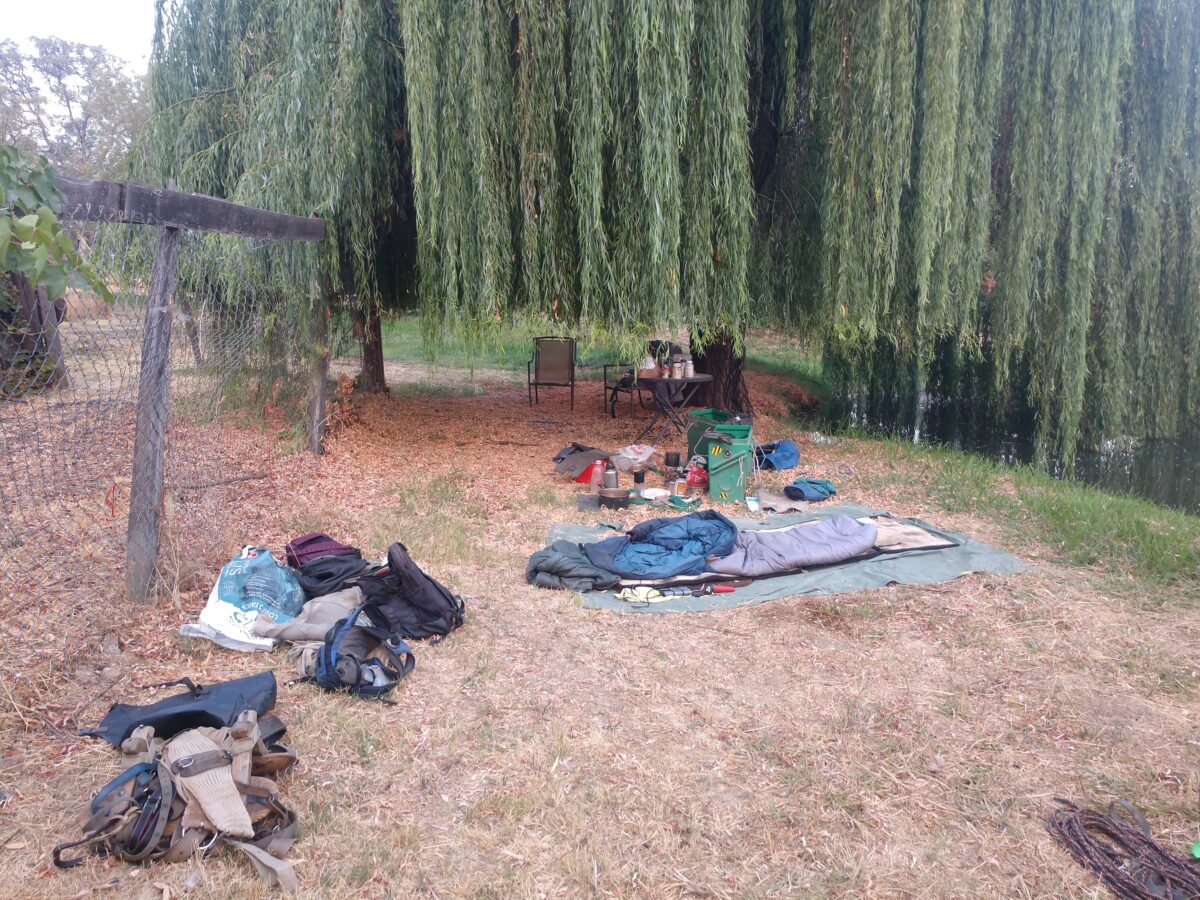

Ventana Wilderness – Rancho Salsipuedes
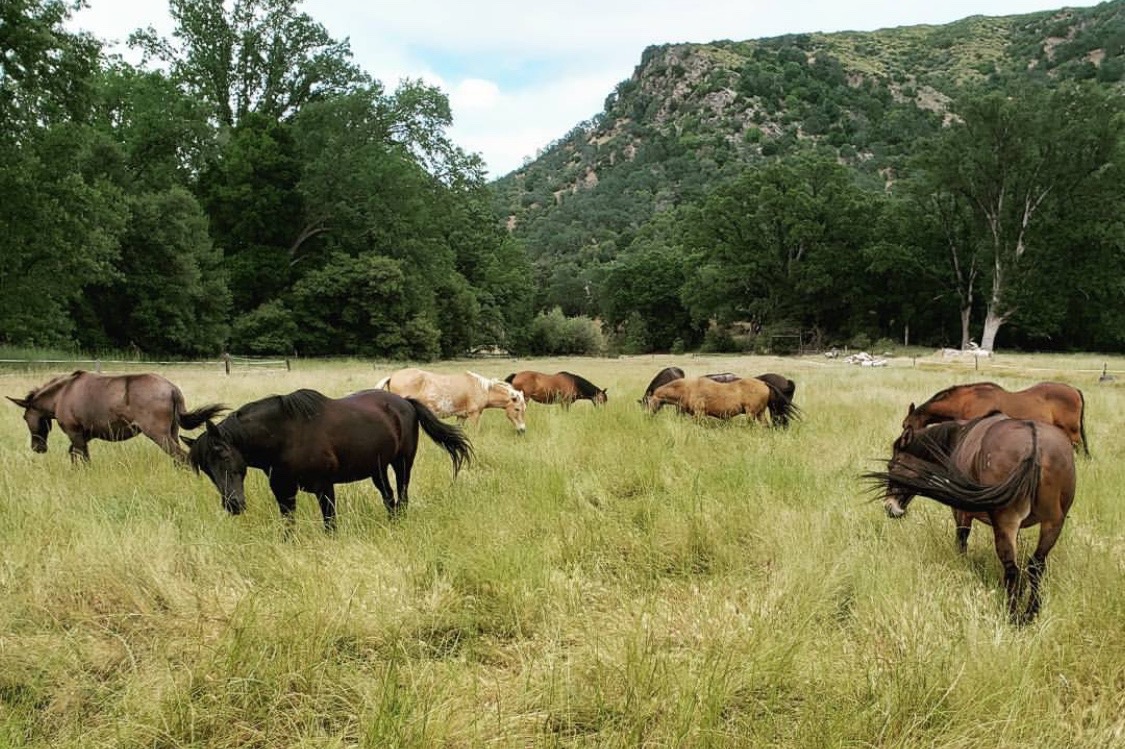
UPDATE 9/19/2020: In 2015 the Mules were traveling through Ventana Wilderness in Monterey County where we had the pleasure of staying at Rancho Salsipuedes owned by Timothy Bottoms. We enjoyed our stay at the Rancho and learning of its unique history, which is documented in our original blog post below.
Rancho Salsipuedes is a rare place. About 12 miles inland in Big Sur, it is one of the LAST standing California Homesteads that is not owned by the government or by a corporation. It has been in the hands of The Bottoms family since 1975. It has been untouched by overdevelopment, remaining in all of its glory. It has been looked after with true, pure, authentic love for the natural world.
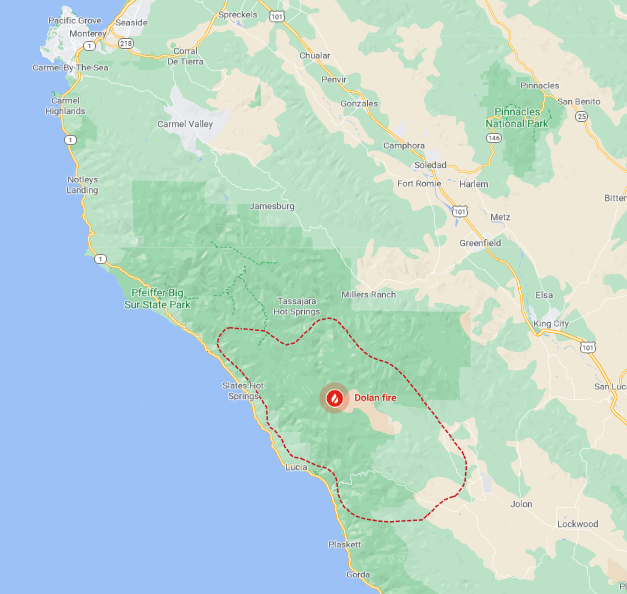
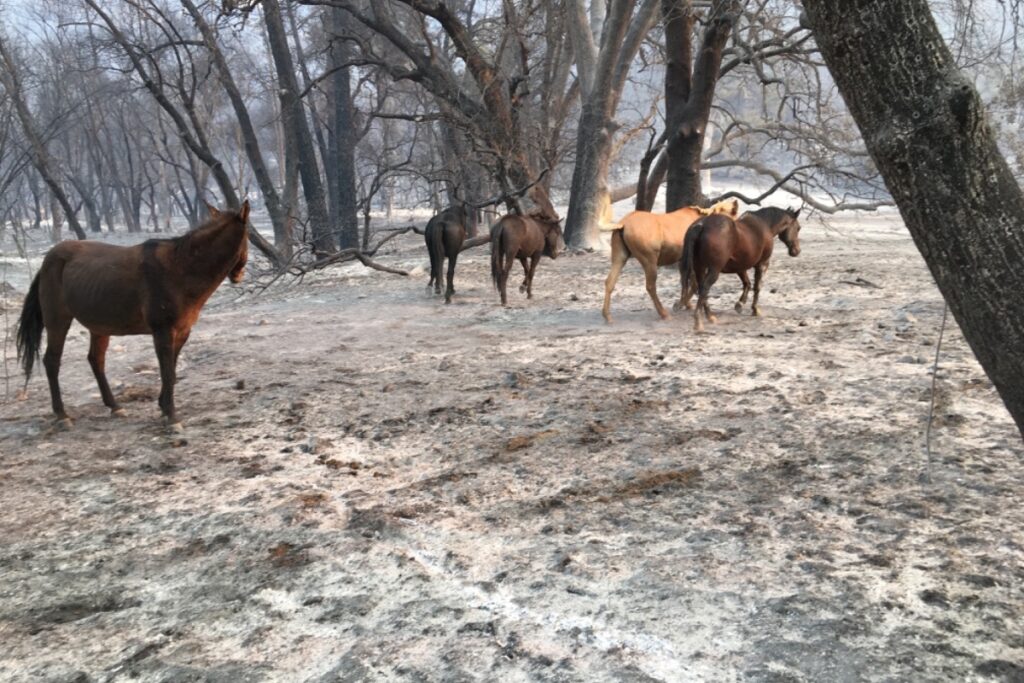
We have come to find out about the Dolan wildfire that started August 18, 2020 and one month later continues to burn with only 46% perimeter containment. This wildfire ravaged thru and over the Rancho Salsipuedes, which we are very sorry to hear about.
In 2015, We left our palomino mule, Who Dee Doo, at Rancho Salsipuedes and glad to see in the photo below that he made it through the fire okay.
The Bottom’s family friend, Caitlin Ackerman, has organized a GoFundMe fundraiser to help the remaining horses and rebuild Rancho Salsipuedes. Please click on this link to read more about this special place and donate if you can. Warning, there are graphic images of the animals domestic and wildlife that didn’t survive.
Here is our original blog post that we wrote October 20, 2015:
October 20, 2015 – Rancho Salsipuedes:


Three Mules and one monk were walking south through Fort Hunter Liggett on a road bordering the Los Padres National Forest when a gentleman by the name of Timothy Bottoms stopped his Jeep, got out, introduced himself and asked if the kids needed water or hay for he had brought some. The monk responded, “No. We are okay. Thank you.”
He then invited us to his ranch to take a break. We said yes that would be nice. So we walked to his ranch, which is surrounded by the Ventana Wilderness, and took a break.
Tim asked if we needed anything in the way of supplies, gear, etc. The monk responded with a yes. Our pack boxes were over 25 years old and worn to the bone. Tim said he would be glad to help so he did by supplying us with four new pack boxes.

Who Dee Do, our third mule will be staying at Tim’s ranch. He never became easy for me to shoe. He had to be sedated and that was not a practical scheme for us walking through the Megatropolis.
Who Dee Do will be living with Tim’s horses and mules, a great place for Who Dee Do to live.
The Mules say thank you to Timothy Bottoms for his kindness and support he has shown the mules, the identifiers of this ages old nomadic way of life living with respect and reverence for this beautiful place called Earth, the home of human beings. ~The Mules


About Rancho Salsipuedes: “Nestled in the verdant, peaceful valley, stands the thick adobe walls of the Mission San Antonio de Padua’s Portreros Mulos built by the caretaker friar and several neophytes…it established ranch support for the mission mules.

After secularization in 1834, the property came under the private ownership of Vicente Avile, who purchased the drought stricken Rancho for the stately sum of $13, all he had in his pocket. The Rancho remained in the family estate for over one hundred years.
The Avila Ranch, a 160-acre homestead, became known as Salsipuedes (“get out if you can”), which was later sold to Timothy Bottoms in 1975 as a family refuge.”

On the ranch is an old stone cabin and oven built sometime in late 1800s/early 1900s.
The trails surrounding the property are very difficult to travel and impassable with overgrown brush and fallen trees. During the time we were waiting for our pack boxes to arrive, we spent our time clearing these trails.
